About Hard Drives
Welcome to our educational resource center for computer storage recycling. We are always happy to help you understand the true value of your ITAD equipment, from legacy HDDs to modern NVMe solid state drives.
Our goal is to ensure you are fully informed about devices for material recovery or component refurbishment. By learning exactly what valuable materials make up your technology, you can confidently recycle your electronic waste and receive prompt digital or check payments.
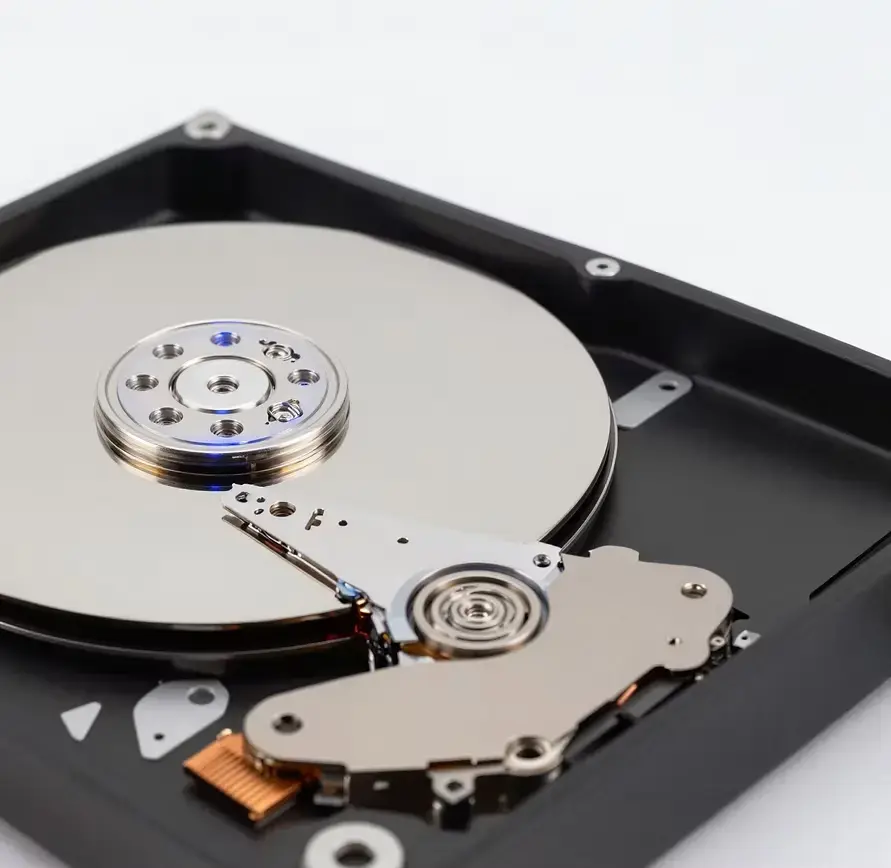
Learn About Hard Drives as E-Waste
Hello there, and welcome. If you are looking for the best place to sell used computer hard drives or wondering how to get top value for bulk electronic waste, we are more than happy to help you out. Safely retiring your Information Technology Asset Disposition or ITAD equipment is incredibly important. We want to ensure you get a fair and prompt return for your IT assets, which we proudly pay out via secure digital payments or business checks to keep transactions safe and simple.
Hard Drive Synonyms and Alternative Names
When folks search to sell e-waste, they use many different terms. We are happy to purchase all of them. To help our systems and partners properly identify your equipment, here are common alternative ways of saying hard drive:
-
Hard Disk Drive
-
HDD
-
Solid State Drive
-
SSD
-
Computer Disk
-
Data Storage Device
-
Internal Memory Drive
-
External Storage Unit
-
Server Disk
-
Magnetic Platter Drive
-
Computer Storage Media
Hard Drive Types and Categories
Understanding exactly what kind of computer storage you have helps determine its e-scrap value. We gladly process all major categories.
-
HDD (Hard Disk Drive): Traditional mechanical drives with spinning magnetic platters. They are highly recyclable for their cast aluminum bodies and rare earth neodymium magnets.
-
SSD (Solid State Drive): Newer drives with no moving parts. They contain valuable circuit boards populated with precious metals.
-
SATA (Serial Advanced Technology Attachment): The most common connection interface for standard desktop and laptop storage.
-
SAS (Serial Attached SCSI): High performance drives typically used in heavy enterprise server environments.
-
NVMe (Non Volatile Memory Express): Extremely fast solid state memory often found in modern laptops and corporate servers.
-
IDE (Integrated Drive Electronics): Older legacy technology often found in vintage computers that we process for scrap recovery.
-
SCSI (Small Computer System Interface): Older enterprise server interfaces heavily utilized in legacy data centers.
Major Hard Drive Makers and Common Sizes
Various brands produce storage devices in multiple form factors, specifically 2.5 inch configurations for laptops and 3.5 inch configurations for desktops. If you want to sell scrap electronic storage drives safely, we accept all capacities from the following major producers:
-
Western Digital or WD: Common sizes include 500 GB (Gigabyte), 1 TB (Terabyte), 4 TB, 8 TB, and massive 20 TB or 22 TB enterprise datacenter units.
-
Seagate: Makers of commercial and consumer drives ranging from 250 GB laptop sizes all the way up to 24 TB server disks.
-
Toshiba: Produces both consumer electronics storage and high capacity commercial HDDs.
-
Samsung: A leading producer of high speed SSDs and NVMe drives ranging from 256 GB to 8 TB.
-
Crucial and Micron: Prominent producers of enterprise and consumer solid state memory components.
-
Kingston and SanDisk: Widely known for reliable SSD storage and smaller capacity flash memory drives.
-
Intel: A major manufacturer of highly durable enterprise datacenter SSDs.
The Deep Value of Hard Drives as E-Waste and E-Scrap
You might be asking how to get the absolute best price when selling bulk computer hard drives to an e-waste buyer. Whether you are clearing out an old office or upgrading an entire server farm, your e-scrap holds significant worth across several distinct commodity categories:
-
Refurbishment and Resale Yield: Functional storage media, especially high capacity Solid State Drives and Enterprise Server Disks, hold significant secondary market value. Once fully wiped and verified, these units offer the highest return on investment for your IT Asset Disposition.
-
Precious Metal Extraction from PCBs: The logic boards, known as Printed Circuit Boards or PCBs, attached to every single drive contain highly valuable trace metals. Specialized refiners process these boards to extract gold, silver, and palladium from the integrated circuit chips and connection pins.
-
Cast Aluminum and Base Metals: Traditional Hard Disk Drives feature thick protective housings made from high quality cast aluminum. When processed as e-scrap, this heavy aluminum is highly sought after by local and global metal smelters.
-
Rare Earth Magnet Harvesting: Inside mechanical storage drives are powerful neodymium magnets used to control the read and write heads. These rare earth elements carry tremendous intrinsic value and are carefully recovered during the e-waste recycling process.
-
Stainless Steel Components: The internal platters inside legacy drives, along with the top covers and various screws, are often manufactured from stainless steel, adding reliable commodity value by weight to your bulk e-scrap loads.
Methodologies of Hard Drive Destruction and Data Security
We know that corporate data security is your top priority, and you can rest assured it is our priority too. Before any device is resold or recycled, the data must be completely neutralized. Here are the primary data destruction methodologies utilized in the professional ITAD industry:
-
Data Sanitization and Wiping: Using specialized software to overwrite the disk multiple times. This follows strict guidelines like the DOD (Department of Defense) or NIST (National Institute of Standards and Technology) standards, leaving the drive completely empty and safe for reuse.
-
Physical Shredding: Putting the entire hard drive unit through a massive industrial shredder. This grinds the aluminum, circuit boards, and memory chips into tiny fragments, making data recovery absolutely impossible.
-
Degaussing: Exposing a traditional HDD to a tremendously powerful magnetic field. This instantly scrambles the magnetic data on the platters and destroys the internal drive mechanisms. Note that degaussing does not work on modern SSDs.
-
Hard Drive Crushing or Punching: Driving a heavy steel spike completely through the drive chassis and internal platters or memory chips, physically breaking the storage media beyond any repair.
We appreciate you taking the time to learn about electronic waste recycling. Please reach out if you have a batch of server components, desktop drives, or laptop memory you are ready to offload. We look forward to doing business with you.
If you ever have a question, please don't hesitate to reach out. We're always here and happy to help you figure out exactly what you have and how much it's worth.